


How to Repair a Damaged Skin Barrier | Korean Aesthetic Treatments for Healthy, Hydrated Skin
Healthy, radiant skin starts with a strong and balanced skin barrier. Often referred to as the skin’s protective barrier, this outermost layer plays an essential role in maintaining hydration, protecting against environmental irritants, and keeping the skin looking smooth and healthy.
However, factors such as environmental pollution, UV exposure, stress, harsh skincare products, excessive exfoliation, and aging can gradually weaken the skin barrier. When this happens, the skin may become dehydrated, sensitive, irritated, or more prone to redness and breakouts.
While a consistent skincare routine is essential for maintaining skin barrier health, professional dermatology treatments can offer additional support through deep hydration, skin rejuvenation, and regenerative approaches.
In Korea, a variety of aesthetic treatments are available to help improve skin quality and support recovery. From injectable skin boosters and ultrasound treatments to LED light therapy and regenerative skin procedures, there are options for different skin concerns and preferences.
Let’s explore some Korean aesthetic treatments that can help support healthier, more hydrated, and resilient-looking skin.
What Is the Skin Barrier and Why Is It Important?
The skin barrier, also known as the stratum corneum, is the outermost layer of the epidermis. It acts as a protective shield, helping prevent excessive moisture loss while defending the skin against external irritants, pollutants, and microorganisms.
A healthy skin barrier relies on a balance of natural lipids, including ceramides, cholesterol, and fatty acids, which help hold skin cells together and maintain the skin’s protective function.
When this barrier becomes compromised, the skin may struggle to retain moisture and become more vulnerable to irritation.
Common signs of a weakened skin barrier include:
• Persistent dryness or dehydration
• Tightness, especially after cleansing
• Redness and increased sensitivity
• Flaking or rough skin texture
• Increased irritation when using skincare products
• A dull or tired-looking complexion
Restoring skin barrier health involves replenishing moisture, supporting the skin’s natural protective functions, and avoiding unnecessary irritation. Professional treatments can complement these efforts by addressing hydration, skin quality, and recovery.
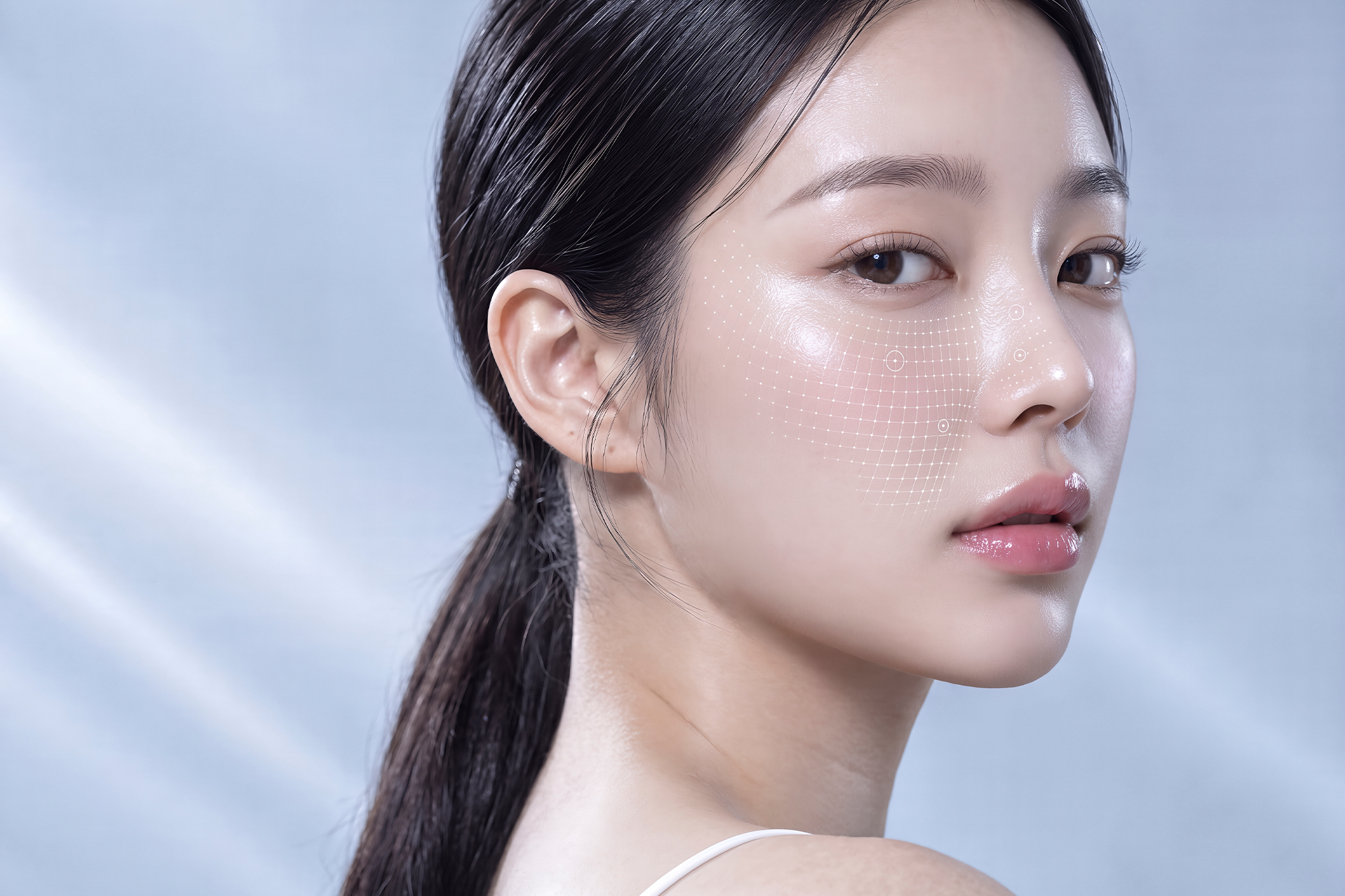
1. Injectable Skin Boosters for Hydration and Skin Rejuvenation
Injectable skin boosters are popular in Korean dermatology clinics for improving skin hydration, texture, and overall quality. Unlike traditional dermal fillers, which primarily focus on restoring facial volume and contour, skin boosters are designed to improve the condition of the skin itself. Depending on their ingredients, they may help replenish moisture, support collagen production, or promote skin recovery.
For individuals experiencing dehydration, dullness, or changes in skin elasticity, certain skin boosters can complement a skincare routine focused on maintaining a healthy skin barrier. While these treatments do not necessarily repair the skin’s protective barrier directly, they can help address several concerns associated with dry, tired-looking, and aging skin.
Popular injectable skin boosters include:
Rejuran: A polynucleotide (PN)-based skin booster designed to support skin recovery and improve overall skin quality. It is commonly chosen to address uneven texture, fine lines, and dull-looking skin.
Juvelook: Combines PDLLA and hyaluronic acid to stimulate collagen production while providing hydration. It is often used to improve skin texture, elasticity, and the appearance of fine lines and pores.
Skinvive: A hyaluronic acid-based injectable treatment designed to improve cheek skin smoothness and hydration, helping create a plumper, more refreshed appearance.
2. Non-Invasive Hydration and Soothing Treatments
For individuals who prefer to improve their skin condition without injections or significant downtime, non-invasive dermatology treatments offer another approach to supporting skin health. These procedures focus on hydration, soothing, and improving the appearance of irritated or dehydrated skin through technologies such as ultrasound, light therapy, and specialized facial treatments.
They can be particularly appealing for people who want to maintain their skin between more intensive procedures or who prefer a gentler approach to skin rejuvenation. Depending on the treatment, they may help temporarily reduce visible redness, improve hydration, and support the skin’s natural recovery processes. These treatments are generally less intensive than injectable procedures, although their suitability still depends on the individual’s skin condition.
Popular non-invasive treatments include:
LDM (Local Dynamic Micro-Massage): Uses alternating ultrasound frequencies to gently treat the skin. It is commonly used in Korean dermatology clinics to support hydration and soothe the appearance of sensitive or irritated skin.
LED Light Therapy: Uses specific wavelengths of light, particularly red light, to support skin recovery and help manage inflammation. It is a gentle, non-invasive option that can complement other skin rejuvenation treatments.
Cryotherapy Facials: Use controlled cooling to soothe the skin and temporarily reduce the appearance of redness and puffiness, making them a refreshing option for skin that feels irritated or overheated.
Iontophoresis: Uses a mild electrical current to assist the delivery of certain skincare ingredients into the skin, making it a useful addition to hydration-focused and soothing facial treatments.

3. Regenerative Treatments for Skin Recovery and Rejuvenation
Regenerative aesthetic treatments focus on supporting the body’s natural tissue repair and skin renewal processes. Many of these procedures use biologically active ingredients, such as polynucleotides, growth factors, or platelet-derived components, which are being studied for their potential roles in tissue recovery and skin rejuvenation. Rather than focusing solely on surface hydration, regenerative treatments aim to improve overall skin quality by supporting processes associated with cellular activity, collagen production, and tissue repair.
They may be considered by individuals looking to address dullness, uneven texture, or signs of skin aging while supporting healthier-looking skin. Some treatments also combine regenerative ingredients with microneedling techniques to create controlled microchannels in the skin. However, because these procedures can temporarily disrupt the skin’s surface, they should be selected carefully, particularly for individuals with an already weakened or irritated skin barrier.
Popular regenerative treatments include:
PRP (Platelet-Rich Plasma): Uses a concentrated portion of the patient’s own blood containing platelets and growth factors. It is used in aesthetic treatments to support tissue recovery and improve overall skin quality.
Stem Cell Growth Factor Treatments: Use growth factor-containing formulations derived from the patient’s blood to support cellular communication and tissue recovery. These should be distinguished from procedures involving actual living stem cells.
PDRN Treatments: Use polydeoxyribonucleotide, a DNA-derived ingredient studied for its potential role in tissue repair, wound healing, and skin regeneration.
PN Skin Boosters with MTS Microneedling: Combine polynucleotide-based formulations with microneedling to support skin rejuvenation and improve the appearance of texture and hydration. At Lienjang, the L’ebss Ellaster PN Skin Booster is one option in this category, combining PN skin booster treatment with MTS microneedling.
How to Maintain a Healthy Skin Barrier After Treatment
Professional treatments can help improve skin hydration and overall skin quality, but maintaining a healthy skin barrier also requires consistent at-home care.
After undergoing an aesthetic procedure, it’s particularly important to follow your provider’s aftercare instructions and avoid unnecessary irritation while the skin recovers.
Here are a few ways to support your skin barrier between treatments:
1. Use a Gentle Cleanser
Avoid harsh cleansers that leave your skin feeling tight or stripped. Choose a gentle, fragrance-free cleanser that removes impurities without excessively disrupting the skin’s natural oils.
2. Incorporate Barrier-Supporting Ingredients
Look for skincare products containing ingredients such as:
• Ceramides: Help replenish the lipids that maintain the skin’s protective barrier.
• Panthenol (Vitamin B5): Helps soothe and moisturize the skin.
• Hyaluronic Acid: Attracts and retains moisture.
• Niacinamide: Supports barrier function and helps improve uneven skin tone.
• Centella Asiatica: Commonly used in soothing skincare formulations.
3. Moisturize Consistently
Using a moisturizer regularly helps reduce moisture loss and maintain the skin’s protective barrier. Products containing a combination of humectants, emollients, and occlusive ingredients can be particularly helpful.
4. Protect Your Skin from UV Exposure
Daily sunscreen use is essential for protecting the skin from UV-related damage. Choose a broad-spectrum SPF 30 or higher and reapply as needed.
5. Avoid Over-Exfoliation
Excessive use of exfoliating acids, retinoids, and other active ingredients can increase irritation, particularly when the skin is already sensitive. Allow your skin time to recover between intensive treatments and follow your dermatologist’s recommendations.
Which Skin Barrier Treatment Is Right for You?
The best treatment depends on your skin condition, individual concerns, and desired results. Different procedures target different aspects of skin health, so a personalized approach is important.
Here is a general guide to help you understand which treatments may be worth discussing:
| Skin Concern | Treatments to Consider |
|---|---|
| Dehydrated or Dull Skin | Skinvive, LDM, Hydration Facials |
| Uneven Texture and Fine Lines | Rejuran, Juvelook |
| Sensitive or Easily Irritated Skin | Gentle Facials, LDM, LED Light Therapy |
| Skin Recovery and Rejuvenation | Rejuran, PRP, PDRN Treatments |
| Overall Skin Quality | Juvelook, Growth Factor Treatments, PN Skin Boosters |
Keep in mind that injectable procedures and microneedling are not automatically appropriate for compromised skin. If your skin is actively inflamed, irritated, or experiencing significant barrier damage, it may be better to restore skin comfort and barrier function with gentle skincare before proceeding with aesthetic treatments.
Restore Your Skin's Health with Personalized Dermatology Treatments at Lienjang
A healthy skin barrier is the foundation of a smooth, hydrated, and radiant complexion. Whether you’re experiencing dryness and sensitivity or simply want to maintain healthy-looking skin, choosing treatments that address your individual skin concerns can make a difference.
At Lienjang, we offer a variety of aesthetic treatments designed to improve skin hydration, texture, and overall skin quality. From popular Korean skin boosters such as Rejuran and Juvelook to non-invasive treatments like LDM and LED light therapy, our team can help you explore options suited to your skin’s needs.
If you’re interested in improving your skin’s hydration and overall condition, consult with our medical professionals to discover a treatment plan tailored to you.
Where to Find Us
Lienjang Gangnam
14 ~ 18th floor, 343 Gangnam Tower,
1318-4 Seocho-dong, Seocho-gu, Seoul
Lienjang Hongdae
4th Floor, 3, Yanghwa-ro 18-gil,
Blue Elephant Building, Mapo-gu, Seoul
Lienjang Myeongdong
Individual results and treatment suitability may vary. Please consult a qualified medical professional before undergoing any treatments.