




Hair Loss Prevention Treatments in Seoul | Premium Scalp Care
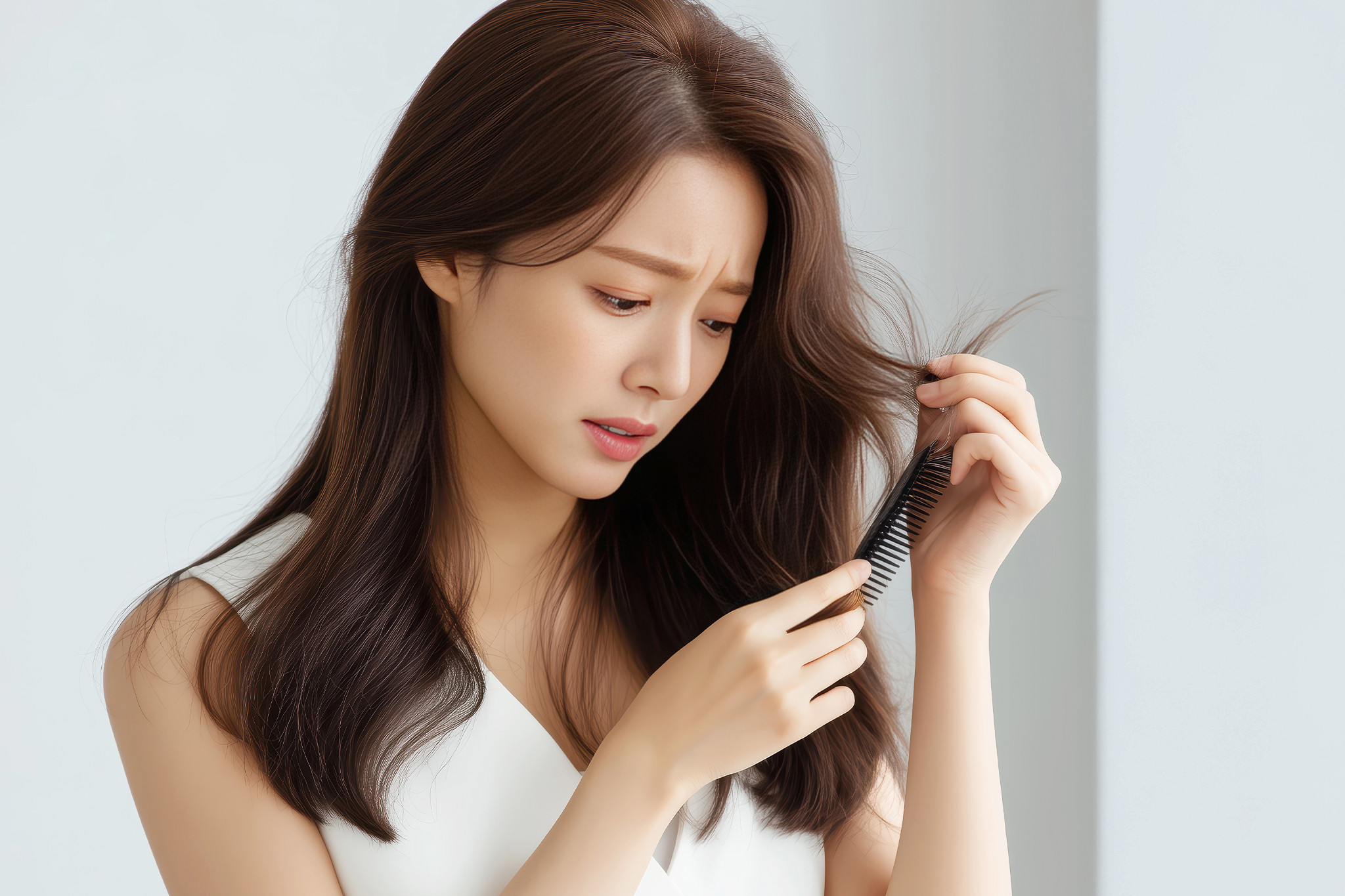
Hair loss is something many people begin to notice gradually. A widening part, increased shedding in the shower, a thinner-looking hairline, or reduced scalp coverage can all be early signs that your hair may need more attention.
While hair loss can have many different causes—including genetics, hormones, aging, stress, nutritional factors, and scalp conditions—early scalp care may help support healthier hair follicles and maintain existing hair.
At Lienjang Clinic in Seoul, we offer several non-surgical scalp and hair treatments designed to support the scalp environment, nourish hair follicles, and promote healthier-looking hair. Depending on your individual concerns, we can help match you with the most effective treatment from our lineup of premium scalp care.
Why Consider Hair Loss Treatment Early?
Hair follicles can gradually become smaller and produce finer hairs in common forms of pattern hair loss. Once a follicle becomes severely miniaturized or inactive, treatment can become more challenging.
This is why many people choose to address changes in hair density or increased shedding before hair loss becomes more noticeable.
Scalp treatments are generally intended to support existing hair follicles and improve the scalp environment, rather than provide an instant cure for hair loss. Results can vary depending on the cause and severity of hair loss, and some patients may benefit from combining in-clinic treatments with medically recommended hair-loss treatments.
1. CELLpheus X
What is CELLpheus X?
CELLpheus X is a needle-free mesotherapy treatment designed to deliver customized scalp ampoules using a specialized energy-based delivery system.
At Lienjang, CELLpheus X uses a 3-waveform energy system and customized DEDS ampoules selected according to the patient’s scalp and hair-loss concerns.
Because the treatment is needle-free, it can be an appealing option for people looking for a more comfortable approach to scalp care.
How can it help?
CELLpheus X is designed to deliver active ingredients deeper into the scalp while supporting the condition of the scalp and hair follicles. Customized ampoules can be selected according to individual concerns, making the treatment suitable for personalized scalp management.
It may be particularly appealing for patients who want to begin a scalp-care program without conventional injections.
Best for:
People looking for customized, needle-free scalp care and support for early hair thinning or hair-loss concerns.
2. MCT Stem Cell Growth Factor Injection
What is the MCT stem cell growth factor injection?
MCT is a regenerative scalp treatment using a formulation containing growth factors associated with stem-cell-derived materials.
Rather than transplanting stem cells, growth-factor-based treatments are designed to provide biologically active substances that may help support communication between cells and the surrounding tissue.
Research into stem-cell-derived conditioned media and growth-factor therapies has shown promising results for improving hair density and thickness, although treatment protocols and formulations vary between studies.
How can it help?
Growth factors are involved in many processes related to tissue repair and cellular signaling. When delivered to the scalp, growth-factor treatments are intended to create a more supportive environment for hair follicles.
The goal is to help maintain healthier-looking hair and support hair density and thickness over time.
Best for:
People interested in regenerative scalp treatments and those experiencing thinning or reduced hair density.
3. Exosome MTS Microneedling
What is exosome MTS microneedling?
Exosome MTS combines microneedling with an exosome-based treatment.
Microneedling creates controlled microchannels in the scalp using fine needles. This can help facilitate topical delivery while also triggering the skin’s natural wound-healing response.
Exosomes are microscopic extracellular vesicles that can contain proteins, lipids, and signaling molecules involved in cell-to-cell communication. They have become an area of growing interest in regenerative medicine and hair restoration.
How can it help?
The combination of microneedling and exosome-based products is intended to support the scalp environment and deliver regenerative ingredients more effectively to the treated area.
Microneedling itself has also been studied as an adjunctive treatment for hair loss, with research suggesting potential improvements in hair parameters when combined with other therapies.
Best for:
People interested in advanced regenerative scalp treatments for thinning hair and reduced hair density.
4. PRP Injection
What is PRP?
PRP stands for Platelet-Rich Plasma. It is made using a small amount of the patient’s own blood.
The blood is processed to concentrate platelets and growth-factor-containing plasma, which is then injected into areas of the scalp where hair is thinning.
Because PRP is prepared from the patient’s own blood, it is considered an autologous treatment.
How can it help?
Platelets contain growth factors that play important roles in tissue repair and cellular signaling. When injected into the scalp, PRP is intended to support the hair follicle environment and promote healthier hair growth.
PRP is one of the more extensively studied regenerative approaches for androgenetic or pattern hair loss. Research suggests that PRP can improve measures such as hair density and thickness, although results vary depending on the preparation method, injection protocol, and individual patient factors.
Best for:
People experiencing thinning hair or reduced hair density who are interested in an autologous regenerative treatment.
5. PDRN Injection
What is PDRN?
PDRN stands for Polydeoxyribonucleotide, a type of DNA-derived compound that has been used in regenerative and skin-repair treatments.
When injected into the scalp, PDRN is intended to support the tissue environment around the hair follicles.
PDRN has also attracted interest as a potential treatment for hair loss. A small randomized clinical study previously reported improvements in hair density and thickness, but more research is needed to determine how consistently PDRN works for different types of hair loss.
How can it help?
PDRN is thought to support tissue repair and cellular signaling. In scalp treatments, the goal is to create a healthier environment around the hair follicles and support the appearance of thicker, healthier hair.
Because research into PDRN for hair loss is still relatively limited, it is best viewed as a regenerative scalp treatment rather than a guaranteed hair-regrowth solution.
Best for:
People interested in regenerative injectable treatments for scalp and hair health.
6. Scalp Botox
What is scalp Botox?
Scalp Botox uses small amounts of botulinum toxin injected into specific areas of the scalp.
Unlike Botox used for cosmetic wrinkle treatment, scalp Botox is being investigated as an approach to hair loss. Researchers have proposed that relaxing scalp muscles and potentially altering local blood flow or other scalp factors could influence the hair follicle environment.
How can it help?
The potential relationship between scalp muscle activity, circulation, and hair follicle function has made botulinum toxin an emerging area of hair-loss research.
Some clinical studies have reported improvements in hair density, particularly when botulinum toxin is used alongside conventional hair-loss treatments. However, results have not been consistent across studies, and recent research has highlighted the need for larger, well-controlled trials.
For this reason, scalp Botox is best considered an emerging treatment option rather than an established first-line treatment for hair loss.
Best for:
Patients interested in newer approaches to scalp and hair-loss management following consultation with a medical professional.

Which Scalp Treatment Is Right for You?
There is no single treatment that is ideal for everyone experiencing hair loss.
Your treatment plan may depend on factors such as:
• The type and cause of hair loss
• The degree of hair thinning
• Hair density and follicle condition
• Scalp condition
• Your treatment goals
• Previous hair-loss treatments
• Whether you prefer injections, microneedling, or a needle-free treatment
For some patients, a combination approach may be recommended. For example, microneedling may be paired with topical or regenerative ingredients, while injectable treatments such as PRP or PDRN can provide a more targeted approach.
A medical consultation is important for determining whether an in-clinic scalp treatment is appropriate and whether additional medical hair-loss management may be beneficial.
Hair Loss Treatment in Seoul at Lienjang Clinic
If you are noticing increased shedding, a widening part, thinning around the hairline, or reduced overall hair density, addressing your concerns early can be worthwhile.
At Lienjang Clinic in Seoul, our scalp and hair-loss treatment options range from needle-free mesotherapy and microneedling to regenerative injections using PRP, PDRN, and growth-factor-based formulations.
Each treatment works differently, and your treatment plan can be selected according to your individual scalp and hair concerns.
If you’re visiting Seoul and looking for hair loss treatment, scalp care, or hair restoration treatments in Korea, Lienjang Clinic offers a range of non-surgical options to help support healthier-looking hair and and an improved scalp condition.
Frequently Asked Questions
Can scalp treatments stop hair loss completely?
No treatment can guarantee that hair loss will stop completely. Hair loss can have many causes, and the most appropriate treatment depends on the underlying condition. In-clinic scalp treatments are generally intended to support the scalp and existing hair follicles rather than guarantee permanent hair regrowth.
How long does it take to see results from hair-loss treatments?
Hair growth is a gradual process, so results are not usually immediate. Depending on the treatment and the individual’s hair-growth cycle, visible changes may take several months. Multiple treatment sessions may also be recommended.
Are PRP injections made from my own blood?
Yes. PRP is prepared from a small sample of the patient’s own blood. The blood is processed to concentrate platelets and plasma before the PRP is injected into the scalp.
Is microneedling effective for hair loss?
Research suggests that microneedling may help improve hair-related outcomes, particularly when used as an adjunct to other treatments. However, studies use different devices, depths, and treatment schedules, so more standardized research is still needed.
What is the difference between PRP, PDRN, and exosomes?
They are different types of regenerative treatments. PRP uses components derived from your own blood, PDRN is a DNA-derived compound used in regenerative medicine, and exosomes are extracellular vesicles involved in cell-to-cell signaling. Their mechanisms, evidence, and treatment protocols are different.
Can I get hair-loss treatment in Seoul while traveling?
Yes. Many non-surgical scalp treatments can be performed during a trip to Seoul. However, treatment suitability should be determined during a medical consultation, particularly if you have significant or rapidly progressing hair loss.
Support Your Scalp. Protect Your Hair.
Hair-loss treatment is not one-size-fits-all. Whether you’re noticing early thinning or simply want to take better care of your scalp, a personalized approach can help determine which treatment may be most appropriate for your needs.
Explore Lienjang Clinic’s scalp and hair-loss treatments in Seoul and speak with our medical team about your concerns.
Where to Find Us
Lienjang Gangnam
14 ~ 18th floor, 343 Gangnam Tower,
1318-4 Seocho-dong, Seocho-gu, Seoul
Lienjang Hongdae
4th Floor, 3, Yanghwa-ro 18-gil,
Blue Elephant Building, Mapo-gu, Seoul